Prof. Dr. Kerima Filan Explores 18th-Century Bosnia in the TLT Talks
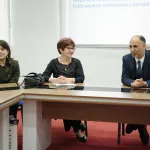
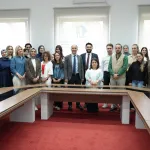
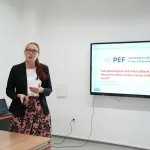
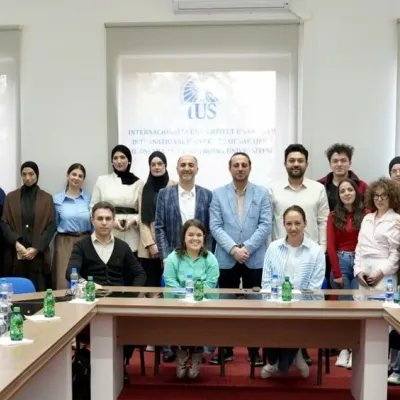
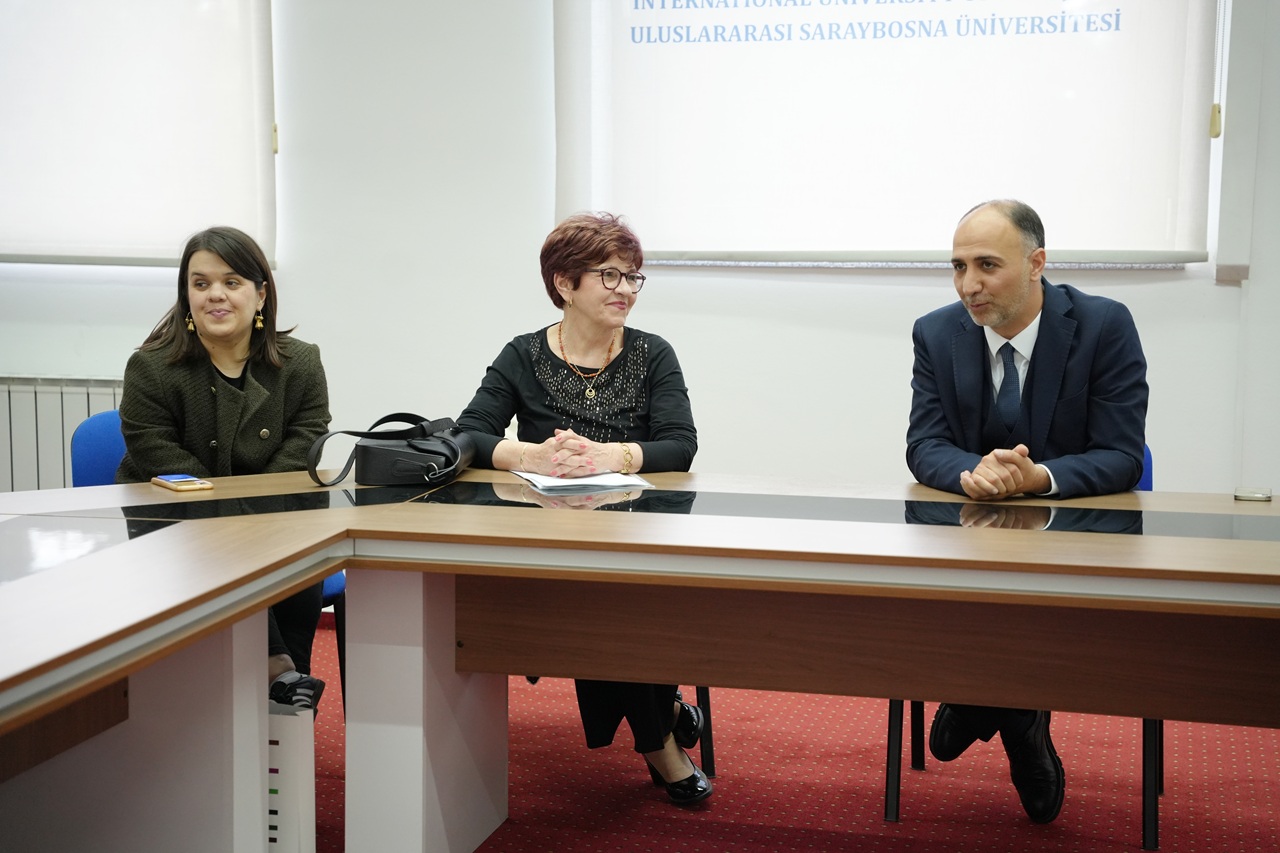
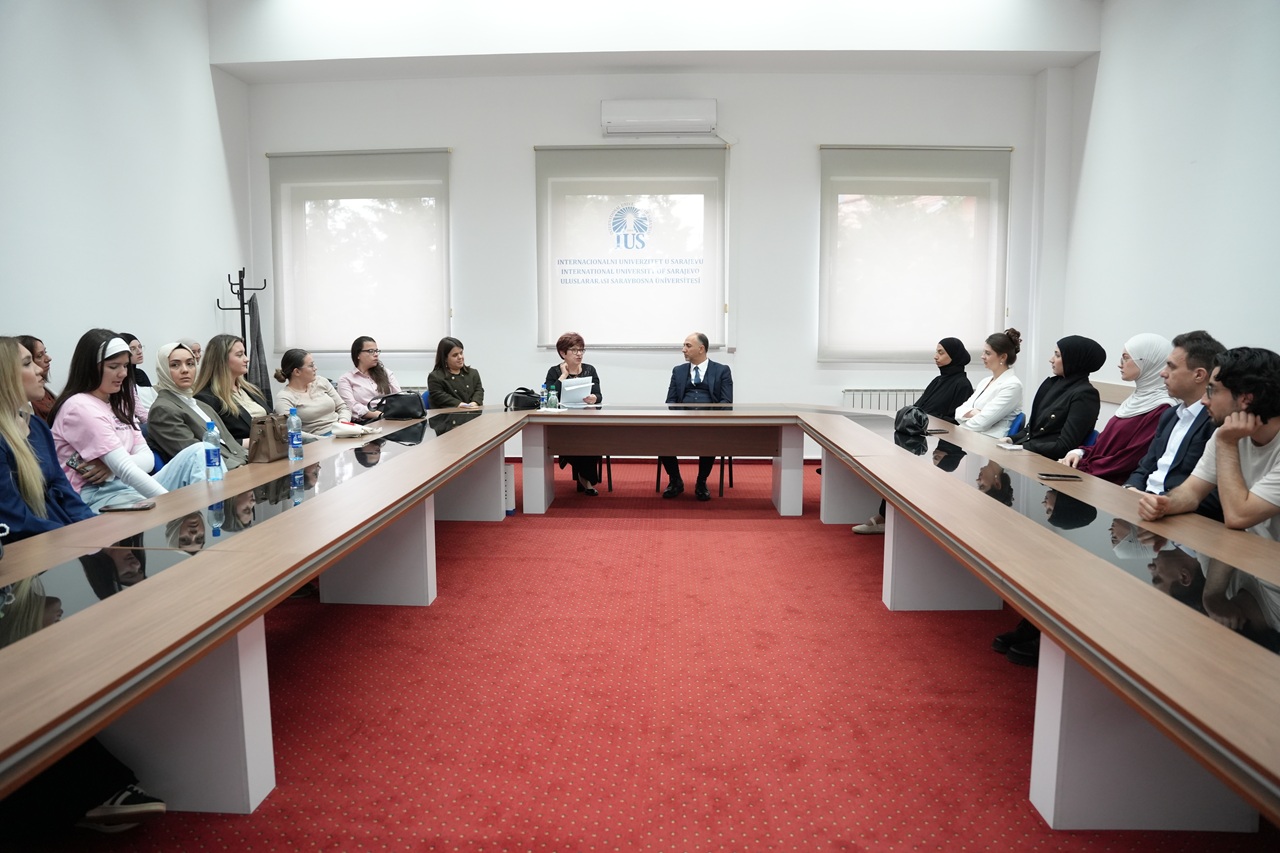
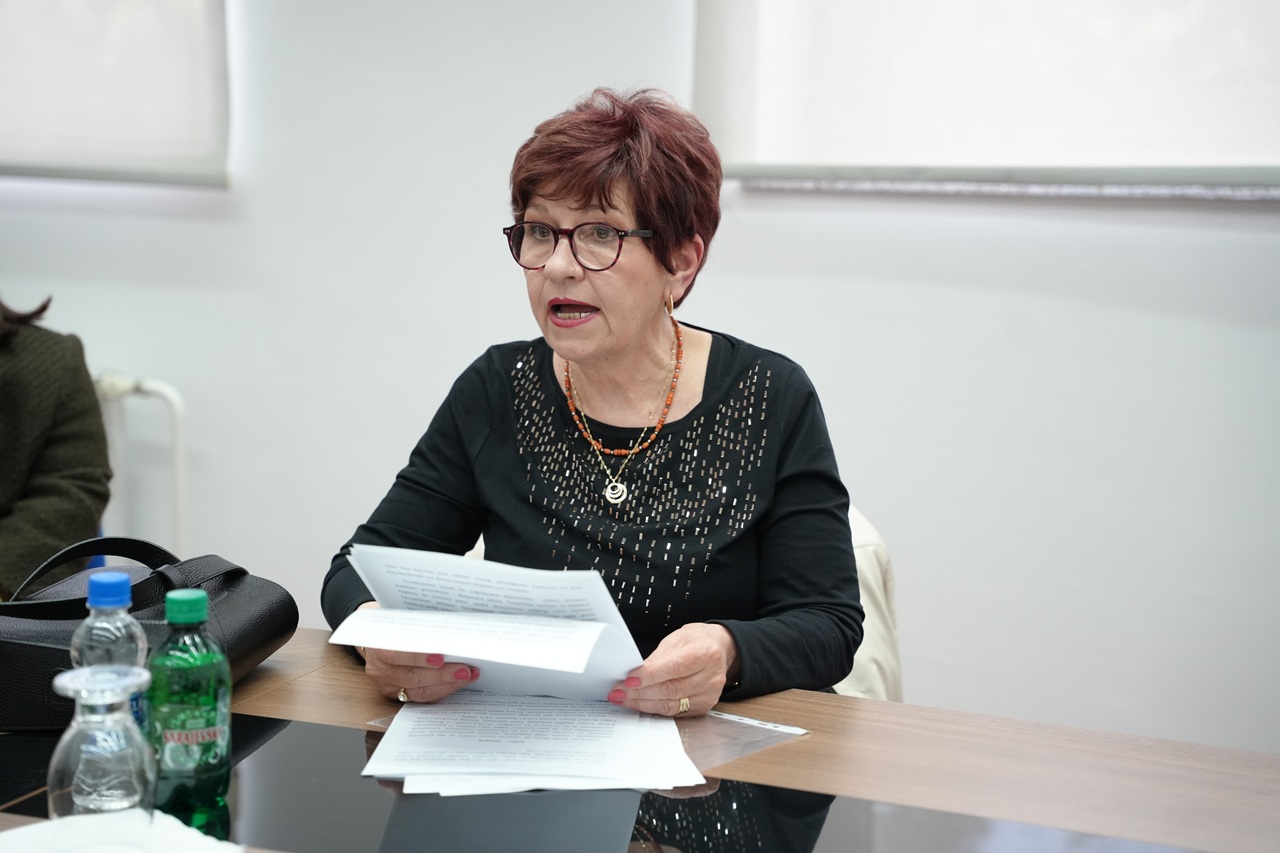
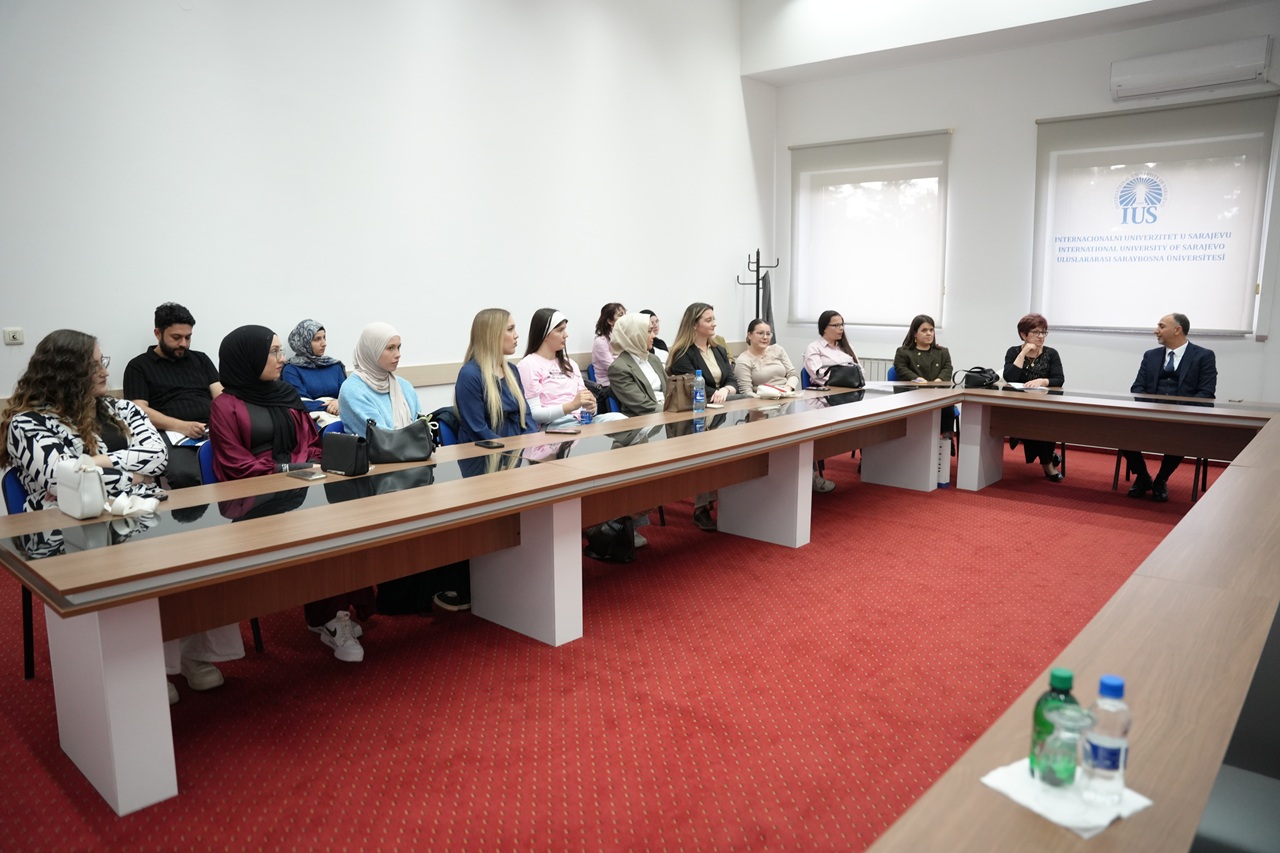
The 8th session of TLT Talks (Türkoloji Sohbetleri) in the Spring Semester 2026 was held with the participation of Prof. Dr. Kerima Filan from the Department of Turkish Language and Literature at the University of Sarajevo. Her lecture, titled “A Comparative Reading of Evliya Çelebi’s Seyahatname and Molla Mustafa’s Mecmua,” offered students and attendees a valuable insight into the cultural and social history of eighteenth-century Bosnia through two important Ottoman sources.
In her presentation, Prof. Dr. Filan introduced the life and work of Molla Mustafa Bašeskija, one of the most significant chroniclers of Sarajevo and Bosnia in the Ottoman period. She explained that Molla Mustafa was born in 1731–32 in the Mimar Sinan neighborhood of Sarajevo and received his early education at a local elementary school under Süleyman Efendi. In 1757–58, he began working as a teacher at a primary school near the Ferhadiye Mosque, and two years later also served as an imam and preacher at the Bozacı Hacı Hasan Mosque.
Prof. Dr. Filan emphasized that Molla Mustafa was deeply devoted to writing, reading, and recording the events taking place around him. Alongside his scholarly and religious work, he also received Sufi instruction from the sheikh of the Qadiri Hacı Sinan Tekke, enriching his spiritual education. She noted that the main source of information about his life is found in the diaries known as the Mecmua, written in Ottoman Turkish in his own hand.
A central part of the lecture focused on the comparison between Molla Mustafa Bašeskija’s Mecmua and Evliya Çelebi’s Seyahatname. As Prof. Dr. Filan explained, while Evliya Çelebi visited Sarajevo roughly a century earlier and described the city’s general features and religious institutions, Bašeskija recorded in much greater detail the events he personally witnessed or heard about in Sarajevo and the wider Bosnian region. For nearly fifty years, he documented everyday life, social changes, and significant events, making the Mecmua an invaluable source for understanding life in eighteenth-century Bosnia.
At the conclusion of her talk, Prof. Dr. Kerima Filan emphasized the importance of further research into the cultural history of the Ottoman period and encouraged students and scholars of Turkish Studies to continue exploring this important field of study.